




Underfloor Heating + Flooring: What Works and What Warps
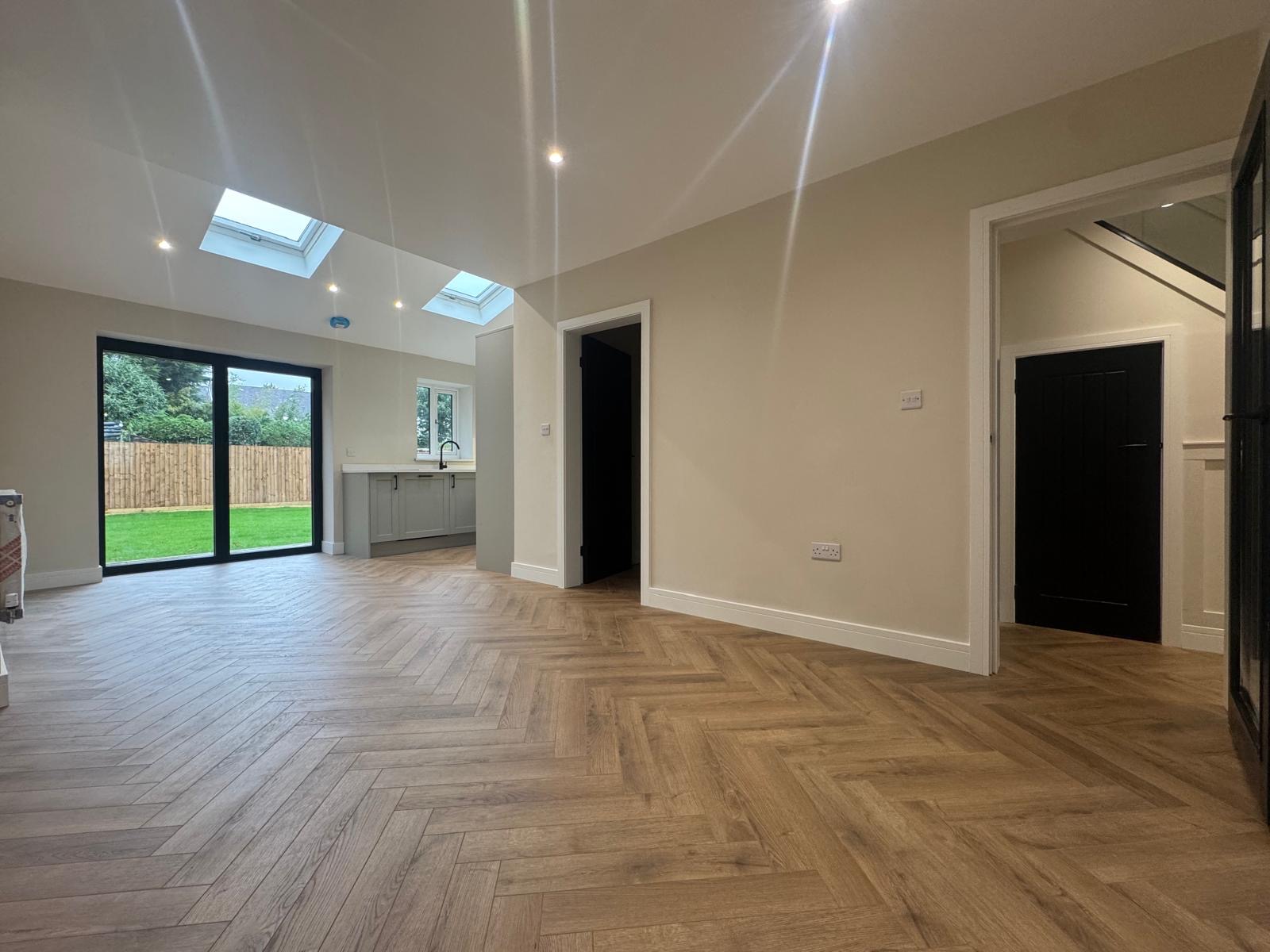
There’s nothing quite like the hush of warm floors underfoot.. Underfloor heating (UFH) has transitioned from luxury add-on to solid comfort essential. It frees up the wall space, emits even heat, and when paired with the right flooring, it is comfort more than mere indulgence.
But here’s the thing: not all floors are equal when it comes to UFH. Choose wisely and you’ll gain efficiency, durability and appearance. Choose poorly and you’ll be warping, gapping and providing poor heat.
This is what you need to know about what works best with UFH, what to avoid, and how to choose flooring that will work beautifully for years to come.
Why Flooring Choice Matters with Underfloor Heating
UFH directs heat in a different way than radiators — distributing heat evenly from floor levels to upwards. That is to say, the material used to cover it on the floors plays an enormous role in the effectiveness of the system. Poor flooring options trap heat or cause movement, whereas the right floors boost efficiency and comfort.
Understanding Wet vs Electric Underfloor Heating
UFH generally comes in two types:
- Wet (water-based) systems – pipes transport hot water beneath a screed, ideal for whole-house heating and low-temperature applications like heat pumps.
- Electric systems – electric mats or cables are installed beneath the floor, perfect for bathrooms or small rooms where rapid installation is desired.
Whatever you choose, the golden rule is still the same: pair your UFH with a floor that offers good thermal conductivity and stability.
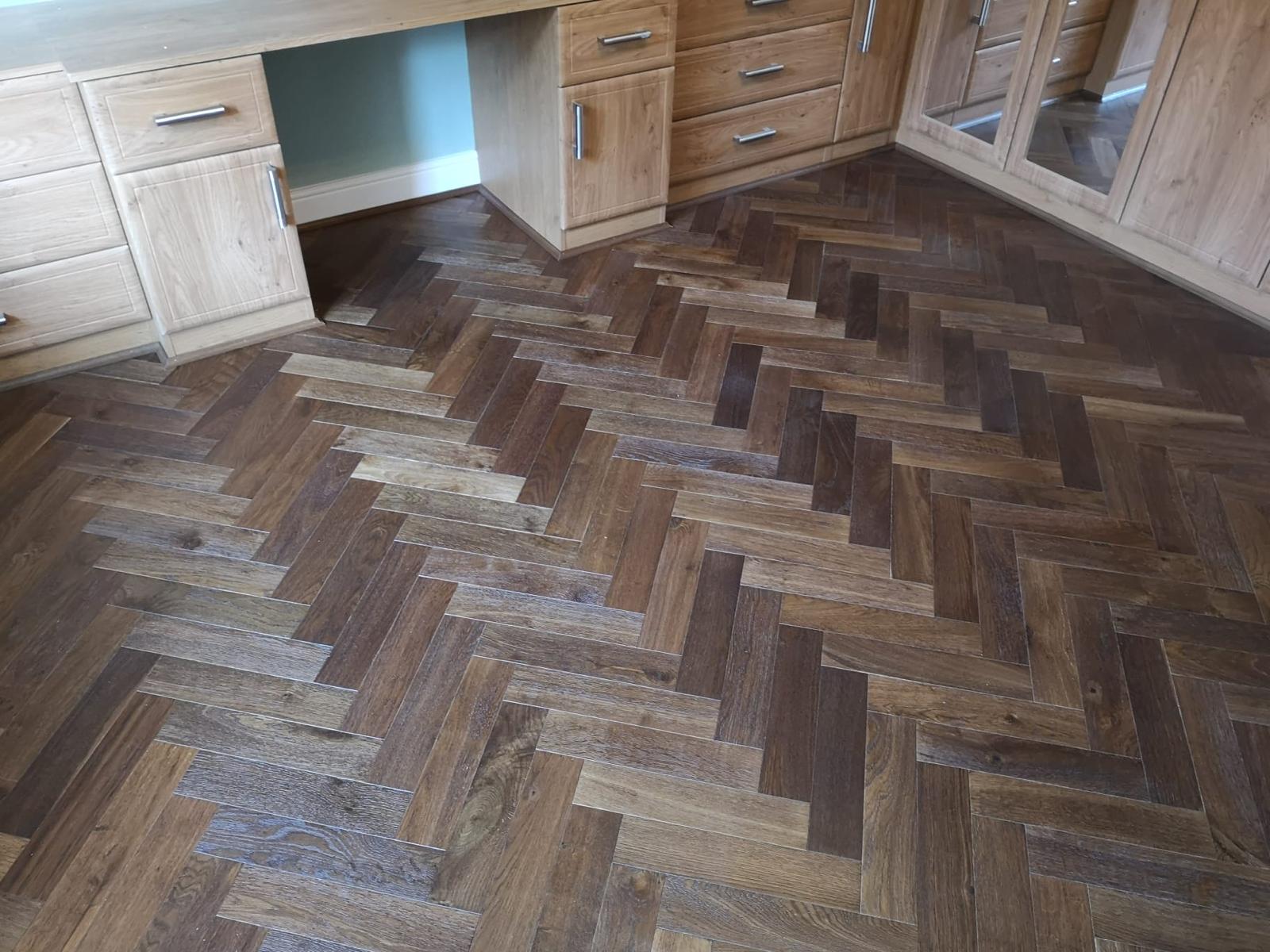
Best Flooring for Underfloor Heating
Engineered Wood: The Safe Timber Option
If you desire the natural beauty of wood, engineered wood is the way to go. Its layered construction makes it more stable than solid wood, minimising the dangers of warping. Use thin boards only, keep surface temperatures low (below 27°C), and you’ll achieve warmth and classic style.
LVT & SPC: Durable and High-Performance
Luxury Vinyl Tile (LVT) and Stone Plastic Composite (SPC) flooring suit UFH beautifully. They heat up quickly, are stable and durable, and are perfect for active pet or family homes. Low maintenance, waterproof, and style-led, they’re a modern favourite.
Tile, Stone & Concrete: The Heat Champions
If ultimate heat efficiency is the goal, tile, stone and concrete are the winners. They move heat fast and store it well. Suitable for bathrooms, kitchens or homes with renewable heat sources like heat pumps.
Laminate: Caution Advised
New laminates can be UFH-compatible, but only if they bear a manufacturer’s certification to that effect. Thick underlams and laminates can block heat, so double-check product specifications.
Solid Wood: Can be Done but it’s Challenging
While solid hardwood is beautiful, it is prone to movement with moisture and temperature changes. If you just can’t do without it, specify narrow boards, allow for expansion gaps, and have a professional install it. Engineered wood is the safe choice for most uses.
Common Problems & How to Avoid Them
Warping, Cupping and Gaps
These are usually due to poor floor choice, irregular warmth, or incorrect installation. Prevention is simple: fit UFH-approved flooring, stay within surface temperature limits, and commission the system properly.
Poor Heat Output
If your room is never warm enough, the most likely culprit will be thick flooring or inappropriate underlay. Choose thinner floors of high thermal conductivity for best results.
Incorrect Installation Sequence
Commissioning (successively heating and drying the subfloor) before fitting floor coverings is a must. Not doing it could lead to subsequent movement and wetness issues. Always insist on your fitter drawing up a commissioning certificate.
Sustainability & Modern Living with UFH
UFH isn’t just about comfort – it’s also about energy efficiency. Wet systems are ideal to use with air-source heat pumps, so they’re future-proof and eco-friendly. With rising energy needs, more flooring brands now accept products specifically for UFH, offering stylish, eco-friendly solutions.
Practical Guidance: Choosing & Installing Right
- Verify product certification – Always check flooring is UFH-approved.
- Use experts – Fitters must be experienced with UFH and your chosen floor.
- Commission the system first – Prevents costly future issues.
- Choose suitable underlays/adhesives – Not everything is UFH-compatible.
- Match to room use – Bathrooms: Tiles, kitchens: LVT, living rooms: engineered wood.
Recommendations from Floors 4 You
We’ve handpicked at Floors 4 You a selection of UFH-compatible floors, including:
- Engineered wood – Style and stability in one.
- LVT & SPC – Bustling homes, kitchens, and corridors.
- Tiles – the best for wet areas and efficiency.
Visit us at one of our Walsall · Cannock · Kidderminster · Shrewsbury showrooms and we’ll help you pick the perfect match.
Why Underfloor Heating Requires the Suitable Flooring
Underfloor heating is not a luxury — it’s a design decision that will determine your floor choice. Pair it with the correct surface and you’ll enjoy long-lasting warmth, efficiency and style. Done correctly, UFH doesn’t just heat your home; it transforms how you live there. And by fitting floors designed for UFH, the return is comfort, sustainability and beauty that will last.
FAQs
Q: Can I fit any floor with underfloor heating?
No. You should only fit floors that are UFH certified — popular options are engineered wood, LVT, SPC, tile and stone.
Q: Will UFH damage wood floors?
Not if you fit engineered wood which is UFH-compliant, follow guidelines and commission the system properly.
Q: What is the surface temperature for safe wood floors?
The majority of manufacturers state a maximum of 27°C. Always consult the product’s technical leaflet.
Q: How quickly do floors heat up with UFH?
Tiles and stone heat up quickly; wood and heavier floors heat slowly but hold the heat for longer.
Q: Is UFH expensive to operate?
Economical heat pump wet systems exist. Electrical systems are costly to run in large areas but are efficient in bathrooms and kitchens.